



TURN WEARABLE CONCEPTS INTO CERTIFIED PRODUCTS
Wireless produce development requires experienced engineers to avoid costly iterations during your development project, especially for wearable products. By using Radientum services for antenna/RF design, testing and EMI/EMC debugging, you are set for success.
Experience
INDEPENDENT EXPERTISE FOR WEARABLE ANTENNAS
With hundreds of completed projects we know the special challenges of developing wearables like smart watches, earbuds, animal trackers or smart jewelry. We do not lock you into specific manufacturer but instead allow you to optimize the outcome for your business needs.
Space Constraint
Wearable devices are compact and lightweight, requiring every millimeter of internal space to be carefully allocated. Antennas must coexist with batteries, sensors, and processors, leading to potential issues with Electromagnetic Compatibility (EMC) and Radio Frequency (RF) interference (EMI).
Body Interference
The human body, due to its conductive nature, can disrupt antenna signals, causing signal degradation. This “body effect” requires innovative antenna designs to mitigate signal loss and ensure stable connectivity.
Frequency Band Requirements
Wearable devices operate across various frequency bands, including Bluetooth, Wi-Fi, NFC, LTE/5G cellular networks, and GPS, to support multiple functions. These antennas often interfere with each other due to their proximity and the limited space available.
When to engage
ANTENNAS FOR YOUR WEARABLE
Antenna should be considered when device size, materials and use case itself is being developed. When you develop a wearable, delaying a chat with antenna specialist is expensive.
Animal tracker
Regardless of the technology you have chosen, you want to maximize the antenna performance to increase connection reliability and maximize battery life. It doesn’t matter if you are tracking a pet running in the woods or a cow far away in the pasture.
Wrist worn devices
Smart watch, health band or jewelry, you want to invest in industrial design without compromise on quality or cost. Specific absorption rate (SAR) is something to keep in mind as well.
Adaption of new technology
Have you developed BLE devices, but you are now considering Lora? Or maybe you are transitioning to LTE/5G? While each technology has its own benefits, they also have their challenges which are increased with the small formfactors of wearables.
OMNICORA technology demonstrator
Radientum introduces OMNICORA, the smallest LTE-M technology demonstrator powered by Nordic Semiconductor’s nRF9151 SiP. It’s antenna solution, tailored for wearable use cases, is able to meet AT&T operator requirements at the size of only 44 x 26 x 17mm.

Upcoming Events 2026: Meet Radientum on the road
We’re continuing our 2026 event season with a strong lineup of industry events across Europe. Join us to talk wireless product development, RF engineering, and how to bring reliable
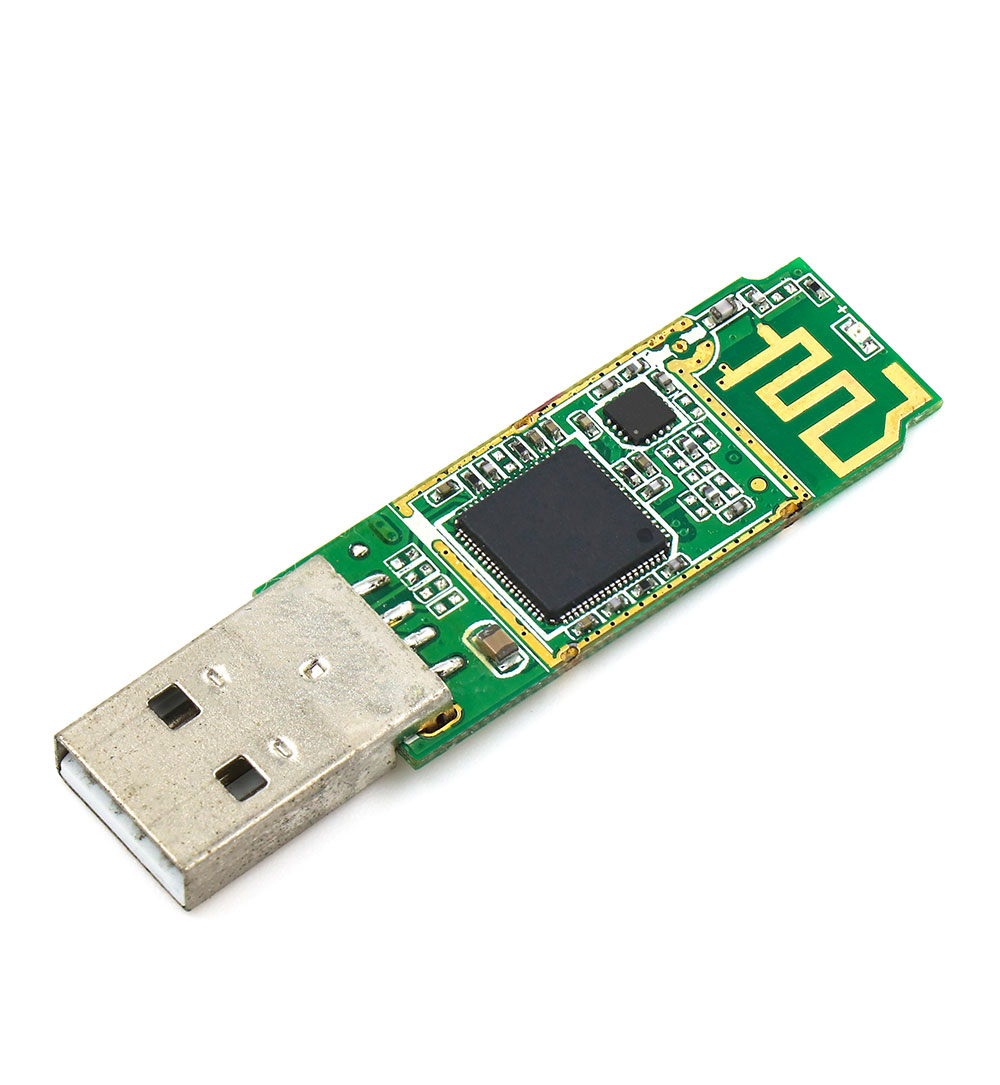
When a PCB antenna for Bluetooth device is the right choice?
For Bluetooth device designers, a Bluetooth PCB trace antenna, also called a PCB antenna, microstrip antenna, or printed circuit board antenna, is rarely a trivial decision. On paper, this

Choosing the right antenna for IoT
Reliable wireless connectivity is arguably the most important feature for IoT devices. When developing an IoT device, one or more antennas must be chosen for the device. With a
Contact us
ALL ABOUT ANTENNAS
For you to have the best success in product development, we encourage you to contact us before starting to develop your product. Decisions you make regarding product size, materials, component placement and communication technologies will decide the outcome of your antenna performance.


RADIENTUM
HQ – Tampere
Visiokatu 4
33720 Tampere, Finland
+358 40 501 3535
Design Office – Espoo
Innopoli 2
Tekniikantie 14
02150 Espoo, Finland
MENU
> Home
> Techologies
> Services
> References
> Blog
> Company
> Contact us